One year I spent the summer looking downward, studying pasture grasses, and what the horses ate and what the sheep ate, and what they left behind. I walked barefoot in the yard and discovered that, yes, it was cooler where the clover grew.
This year, I seem to be looking skyward.
Blame it on the house finch for starting it when she built a nest in the Christmas wreath hanging on the front porch in early spring. A storm dislodged her nest, and my interest turned to the Canada geese who landed on the nearby pond.
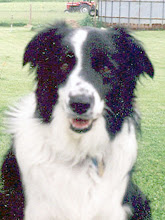
On the daily dog walk, I discovered that Mickey, the Border collie, was indeed a trained goose dog. The 11-year-old dog raced to the pond and drove the geese onto the water, then circled to the other side. Because she didn't get into the water, she never touched the geese. But the geese decided there were other, more hospitable ponds and moved on, much to Mickey's disappointment.
In the spring, I also met the bluebird man who has built hundreds of bluebird boxes and installed them throughout the countryside.
"You have to put them where the bluebirds will want to stay," he told me, explaining that he looks for pastures and fence rows that provide bluebirds with a food supply.
His bluebird project began years ago after the saw his first bluebird. He recalled that he'd never seen something so blue and beautiful. Now, he sees them almost daily.
I do too, thanks, in part, to the bluebird boxes he installed near the hay fields.
The hay fields, pastures and fence rows attract an abundance of birds. When working the dogs in the tall grasses of the sheep pasture, I came upon a red-winged blackbird nest on the ground and wondered how the birds find their nests in the acres of grasslands.
After a hay field was mowed, I stumbled across a green-tinted egg, almost the size of a chicken egg. A pheasant egg or some other game bird? Pheasants live in the area. Years ago, I discovered them when an insistent pheasant cock called for a mate. The pheasant call reminds me of a juvenile rooster learning to crow.
Identifying birds by sound seems to be my new mission. Blame it on the mockingbird that began singing at two in the morning. I had to learn what was keeping me up at night.
When I discovered a
pileated woodpecker on my morning walks, I had to look it up to be sure that's what it was. Our area doesn't have a lot of standing dead trees or woodlands, so woodpeckers aren't that common.
That's when I discovered
Cornell's Bird Guide. Not only does it show and describe the birds, it has an audio link so that you can learn their sounds.
So, now when I hear the woodpecker, I look for the red-headed bird.
As I write about the birds, I realize that one bird, my favorite, the barn swallow, isn't in abundance this year. Usually, they are nesting above the windowsills of the house. When mowing, dozens of them would swoop behind me, looking for bugs. We have some, just not as many.
The swallows are some of the first birds to head south each year. Usually, in late August, I walk around the farm and realize, with great sadness, that they are gone. Their flight reminds me that summer is ending.
I wonder, if because their numbers are smaller, I will miss missing them this year.


 Posts
Posts